Contrary to popular belief, sports betting does not involve “skill.”
It’s a house-banked casino game, and the odds are stacked against you.
The act of sports betting doesn’t involve what is commonly referred to as skill. Just because you did research and made a winning bet doesn’t mean it was due to skill.
Only a minuscule minority of sports bettors turn a slim long-term profit, and that’s where skill comes in. Skill only exists in the long term.
There’s the rare exception of someone who can make an income from sports betting with a 3-5% return over the long term. Creating a methodology to win in the long run would involve so-called skill.
Part of this process includes getting around the fact that sportsbooks limit people who win more often than they lose.
Let’s dive into why abstaining from sports betting is recommended.
Short-Term Betting Based on Luck
Don’t believe the misrepresentations from sports betting media and gambling influencers. They claim skill comes from so-called informed decisions based on analysis of a single game.
Some gambling industry propagandists even claim there is a so-called luckiest casino.
In order for there to be any skill in sports betting, your model would need to be proven over a large sample size of bets. You would also need to demonstrate that you can alter your model if/when it no longer works. Succeeding at this is nearly impossible, especially in today’s betting industry.
If you bet on niche markets—let’s say table tennis, for example—and you consistently make winning bets, the sports betting app will soon ban or restrict your account.
You’re a shrewd table tennis bettor who isn’t welcome. Sportsbooks want people who make long-term losing bets on the major sports (football, basketball and baseball).
Many long-term losers have problem gambling issues.
According to a recent study, more than half of betting industry revenue comes from people with severe addiction. Perhaps over 90% of industry revenue comes from people displaying some signs of a sports betting addiction.
Illusion of Skill in Sports Betting
The illusion of skill in sports betting refers to the belief that one’s knowledge or expertise in sports can significantly influence the outcome of bets.
This belief is partly rooted in the fact that betting involves making predictions based on available data, such as team performance, player statistics and other measurable factors.
Here’s why it’s considered an illusion and how it affects betting behavior:
- Overestimation of Predictive Ability: Bettors often believe they can accurately predict outcomes based on their sports knowledge. They ignore the fact that outcomes in sports are influenced by a nearly infinite universe of unpredictable factors.
- Selective Memory: Humans can remember wins more vividly than their losses, contributing to a skewed perception of their betting skills. This selective memory reinforces the belief in one’s purported edge over the sportsbook.
- Confirmation Bias: Bettors might selectively seek out information supporting their predictions while ignoring or discounting information that contradicts them. This bias can reinforce the illusion of skill, as bettors believe their analysis leads to successful outcomes, even if their overall betting record is negative.
- Misunderstanding of Randomness: The random nature of sports is often underestimated. Bettors might attribute a winning streak to skill rather than chance, failing to recognize the role of randomness in short-term outcomes.
- Cognitive Dissonance: When bets fail, bettors might rationalize losses to avoid the discomfort of admitting a lack of control. This rationalization can perpetuate the illusion of skill by attributing losses to external factors rather than the unpredictability of sports.
Bottom Line: Skill vs. Luck
It is extremely unlikely you will be able to develop a sports betting model or method that earns you a long-term profit, while also avoiding being limited from sportsbooks for winning.
We recommend that you avoid trying to become a professional sports bettor. The investment of your time and money into a goal that is most likely going to fall short is not advisable.
Furthermore, attempting to realize so-called skill in sports betting puts you at a high risk of developing a gambling addiction along the way. You will likely find yourself in a hole, and you could be tempted to start chasing losses, one of the first signs of a gambling problem.
No amount of sports research or analysis coupled with short-term wins will demonstrate a skill component to sports betting. A short-lived winning streak doesn’t mean betting is a skill activity.
Even professional sports bettors lose nearly half of their bets. They are able to derive an income from betting thanks to a meager but significant 3-5% win rate. To succeed here would require the ability to emotionally cope with losses and losing streaks, along with the funds to weather a downswing.
“Gambling,” as the saying goes, “is a hard way to make an easy living.”
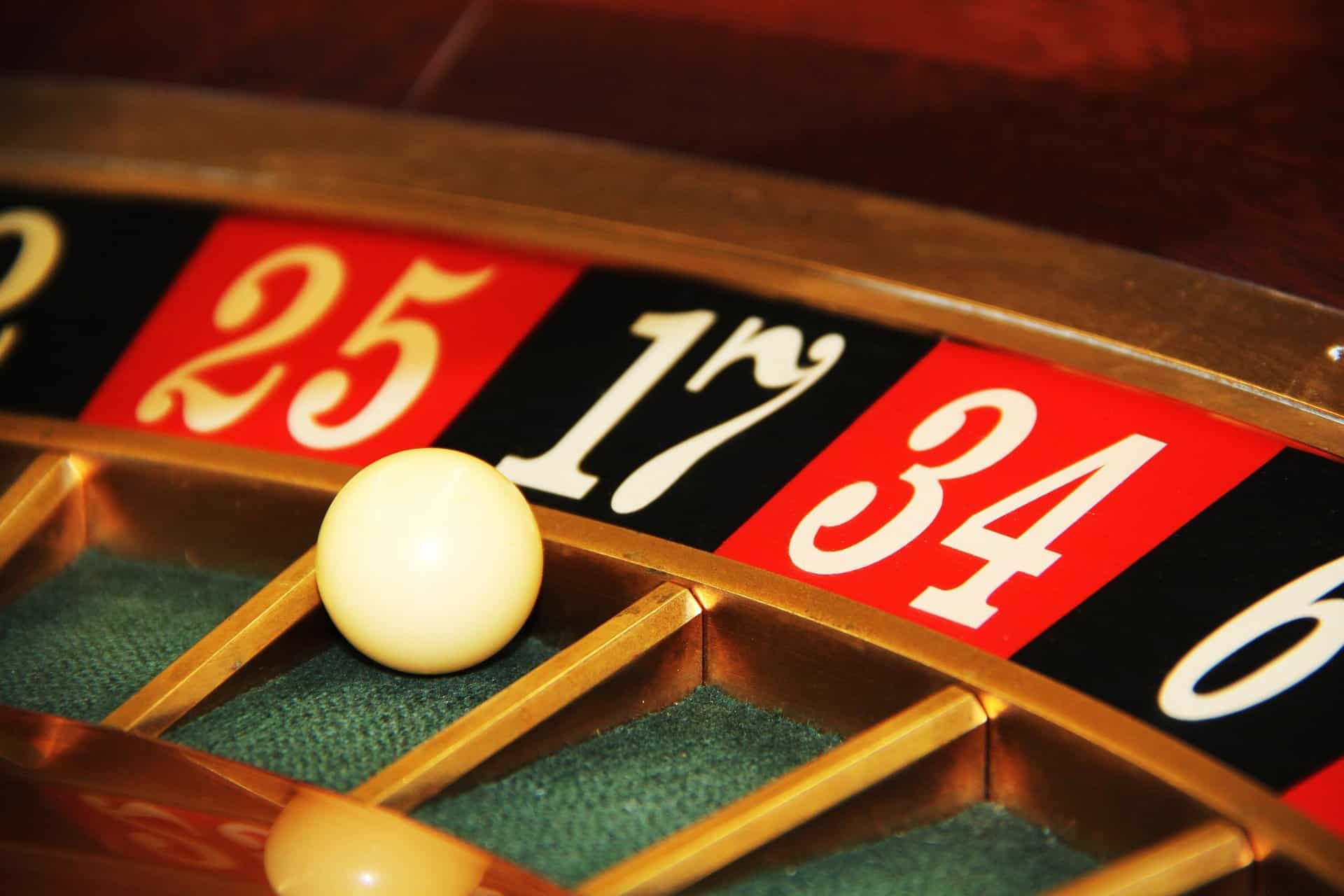
Image by Greg Montani from Pixabay.
Discover more from GamblingHarm.org
Subscribe to get the latest posts sent to your email.